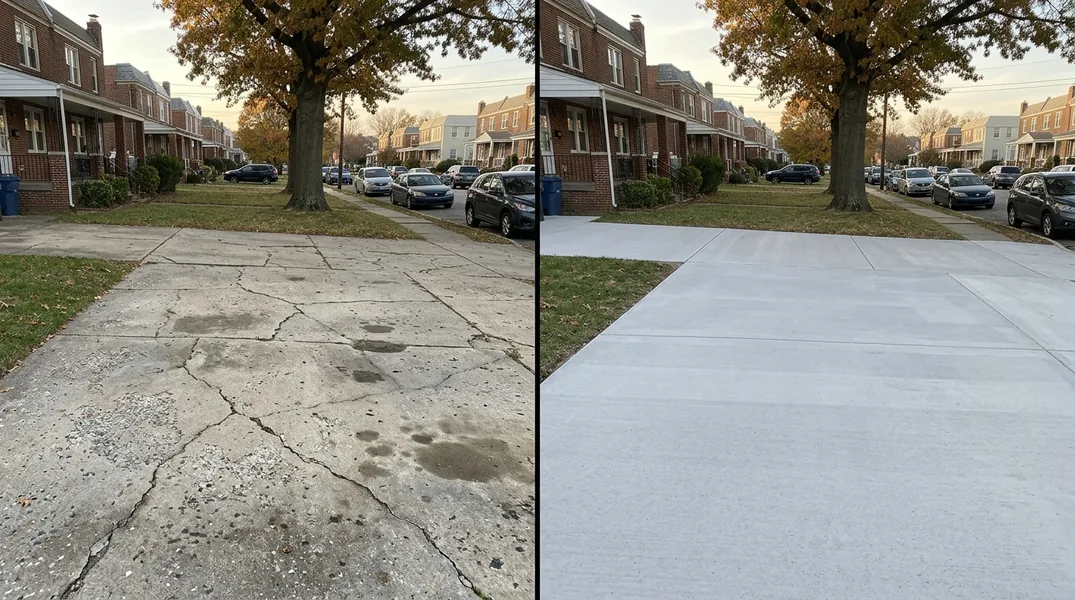
Why Timing Matters for Concrete Pouring in Baltimore
If you're planning a Concrete Driveways project in Baltimore, you might assume you can pour concrete any time of year. The reality is far more nuanced. Concrete curing is a chemical process that depends heavily on temperature, humidity, and moisture levels. When conditions aren't right, your finished concrete may crack, cure unevenly, or fail to reach its full strength. This is why understanding the concrete pouring season Baltimore homeowners should target is essential before breaking ground on your project.
The stakes are particularly high with Concrete Driveways and Concrete Patios, which must withstand years of weather exposure and heavy use. A free estimate from a local baltimore concrete contractor can help you understand the best window for your specific project, but knowing the fundamentals will help you make an informed decision right now.
Spring: The Prime Concrete Pouring Season in Maryland
Spring is widely considered the ideal time to pour concrete in Maryland, and Baltimore is no exception. From late April through May, temperatures typically range between 50 and 70 degrees Fahrenheit, which falls squarely in the sweet spot for concrete curing. During this period, concrete gains strength gradually and evenly without the risk of rapid temperature swings that can cause stress fractures. The moderate warmth accelerates hydration (the chemical reaction that hardens concrete), while the cooler air prevents the surface from drying too quickly relative to the interior.
Another advantage of spring pouring is the generally stable weather pattern. While Baltimore does experience spring showers, the frequency and intensity of rain is more predictable than in other seasons. This allows contractors to plan curing schedules more confidently and protect fresh concrete from unexpected heavy downpours. If you're considering a Concrete Driveways project or Stamped & Decorative Concrete work, spring scheduling often means faster project completion and fewer weather-related delays.
Summer Concrete Pouring: Challenges and Solutions
Summer in Maryland brings warm, sometimes hot temperatures that can pose challenges for concrete curing. When daytime highs exceed 85 degrees Fahrenheit, concrete can set too quickly, trapping moisture beneath the surface. This rapid surface hardening can lead to cracking, crazing (fine surface cracks), and reduced long-term durability. Additionally, intense sun exposure accelerates evaporation, which disrupts the hydration process and weakens the concrete's structural integrity. For homeowners considering summer projects, early morning pours (before 8 a.m.) are preferable, as they allow concrete to cure during cooler afternoon and evening hours.
Despite these challenges, summer concrete work is not impossible. Professional baltimore concrete contractor teams can manage summer pours by using specialized techniques such as adjusting water ratios, applying curing compounds, and using shade cloth or wet burlap to slow surface drying. If you must pour concrete during the hot months, working with an experienced contractor becomes even more critical. The quality of Concrete Repair & Resurfacing work is often determined by initial curing conditions, so investing in professional guidance during summer ensures better long-term results.
Fall: A Secondary Window for Concrete Work
Fall offers a second opportunity for concrete pouring in Maryland, particularly in September and early October. As temperatures cool from summer highs to the 60 to 75 degree range, conditions become more favorable for concrete curing. The shorter daylight hours and lower humidity also help prevent the rapid evaporation problems that plague summer projects. Many contractors and homeowners view fall as a secondary ideal season, especially for projects that couldn't be scheduled in spring. If you missed the spring window and need concrete work completed before winter, fall is your best alternative for ensuring proper curing and long-term performance.
One consideration with fall timing is the approach of winter. Concrete needs at least 7 days of favorable conditions to reach initial set, and ideally 28 days to achieve full strength. Scheduling your project too late in fall risks early cold snaps or freezing temperatures that can damage freshly cured concrete. If you're planning a fall project, consult with a local contractor about the specific timeline. A free estimate discussion can clarify whether your preferred fall dates will work or if spring would be a safer bet for your particular property.
Winter: Why Cold Weather Concrete Pouring Requires Extra Care
Winter is the most challenging season for concrete work in Maryland. When temperatures drop below 40 degrees Fahrenheit, the hydration process slows dramatically, and concrete may not cure properly at all if exposed to freezing conditions. Worse, water in freshly poured concrete can freeze, expanding and causing spalling (surface deterioration) and structural damage. Snow, ice, and salt applications further complicate winter projects. For these reasons, most residential concrete work in Baltimore is avoided from November through March, unless special winter protocols are employed.
That said, emergency situations sometimes require winter concrete work. Professional contractors can pour concrete in cold weather using heated materials, insulating blankets, accelerating admixtures, and careful monitoring. However, these methods add significant pricing and complexity to your project. Unless your situation is truly urgent, waiting for spring or fall is almost always the smarter financial and quality decision. If you're facing a winter deadline, contact Baltimore Concrete at (667) 771-3727 to discuss whether your project can be completed safely during the colder months.
Planning Your Concrete Project: Temperature and Curing Weather Considerations
Successful concrete projects hinge on understanding concrete curing weather requirements. Beyond just air temperature, humidity, wind speed, and soil conditions all influence how quickly and effectively concrete hardens. A humid day slows evaporation, which can actually be beneficial, while a dry, windy day accelerates surface drying and increases crack risk. Soil temperature also matters; cold ground beneath your concrete can slow curing even if air temperatures are moderate. Professional contractors account for all these variables when scheduling pours and determining protection measures needed during the curing period.
When you're ready to move forward with your Concrete Driveways, Concrete Patios, or other concrete work, reach out to Baltimore Concrete for a free estimate. Our team will evaluate your specific site conditions, discuss the optimal timing for your project, and explain how seasonal factors will affect both the work and the final result. Call (667) 771-3727 today to schedule a consultation and take the first step toward a durable, beautifully finished concrete surface that will last for decades.
Looking for a professional tree service in Baltimore? Baltimore Concrete responds fast for all your concrete needs.
Get a Free QuoteOur services: Concrete Driveways · Concrete Patios · Stamped & Decorative Concrete